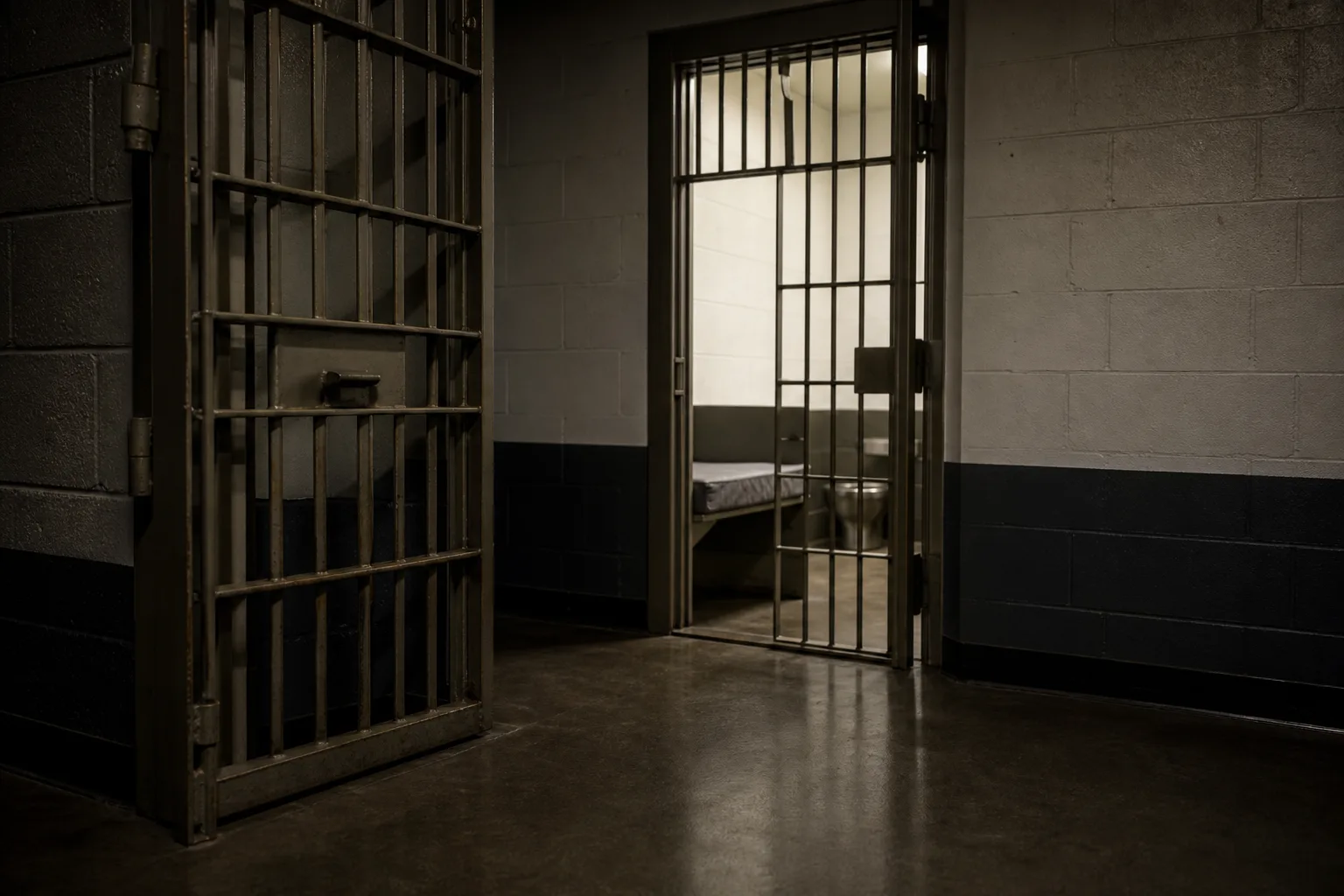
A stage-by-stage account of a criminal case, from first appearance through sentencing, with what the lawyer is doing at each point and what each decision costs.
A criminal case moves in stages, and each stage has its own clock, its own paperwork, and its own price. People who are living through one for the first time usually cannot tell which stage they are standing in, which makes it hard to judge whether the lawyer is doing anything, whether the delay is normal, and whether the money already spent bought anything at all. The sequence below is the ordinary one for a state felony or misdemeanor. Federal cases follow a similar arc with different names and tighter schedules.
First appearance and the bail decision
The first hearing usually happens within a day or two of arrest, and it is short. A judge reads the charge, confirms the defendant understands it, addresses counsel, and sets conditions of release. The lawyer's job here is narrow but consequential: argue for the lowest workable bail or for release on recognizance, and get conditions that a working person can actually satisfy. That means raising employment, residence, family, and any prior record of showing up. The cost of losing this argument is not just the bond premium, typically a nonrefundable percentage paid to a surety, but the weeks of custody that follow, which cost jobs.
Discovery, and why it takes longer than anyone expects
After arraignment, the prosecution must turn over its evidence: police reports, body camera and dash camera footage, lab results, witness statements, jail calls, and anything favorable to the defense. The lawyer requests it, reads it, and then goes looking for what is missing, which is often the most useful part. Video gets overwritten, lab backlogs run months, and a report frequently describes a scene that the footage does not quite show. This is where private counsel's hourly billing or the flat fee's early tranche is being consumed, and where an appointed lawyer with a heavy docket has the least slack. Ask what has arrived and what has been demanded.
Motions, and what they are actually worth
Pretrial motions are the point at which the case can change shape. A motion to suppress argues that a stop, a search, a statement, or an identification was obtained unlawfully and that the resulting evidence cannot be used. A motion to dismiss attacks the charging document or the speedy trial clock. A motion in limine limits what a jury may hear, which matters most when a prior conviction is hovering. Each motion costs attorney hours to draft and a hearing to argue, and each one is worth that expense only if the evidence it targets is load-bearing. The Bureau of Justice Statistics, within the Department of Justice, is responsible for tracking how state cases move through this phase.
A suppression win rarely ends a case on the spot. What it does is remove the prosecution's best exhibit, which changes the plea offer the next morning, sometimes dramatically. That is the practical arithmetic of the motions stage: a few thousand dollars in fees, or several weeks of an appointed lawyer's attention, spent to move an offer from prison to probation. A defendant who understands that trade can have a real conversation about whether to fund it. A defendant who thinks motions are a formality tends to skip the one that mattered.
Plea negotiation, where most cases end
The overwhelming majority of criminal cases resolve by agreement, so negotiation is not a side activity, it is the main event. The lawyer's work here is to develop leverage from the discovery file, present mitigation before charging decisions harden, and translate an offer into its real consequences: custody time, probation length, fines and court costs, restitution, license suspension, immigration exposure, firearms rights, and whether the record can later be sealed. A plea to a lesser count with the same collateral consequence is not a bargain. This is the moment to ask a Criminal Defense Attorney to write the full downstream cost of the offer on paper.
Fee structures interact with this stage in ways worth naming. A flat fee that covers pretrial and plea, with a separate trial fee, gives the lawyer no reason to stretch the case, but it also means the decision to go to trial triggers a second payment that the client should have understood at signing. Hourly billing runs the other way. Neither arrangement is improper, and both are common. What matters is that the trial fee, if there is one, was disclosed before it became relevant rather than during the week the jury is picked.
Trial and sentencing
A misdemeanor trial may take a day, a felony trial a week or considerably longer, and preparation runs several hours for every hour in the courtroom. Subpoenas, expert retainers, transcript orders, and investigator time are usually billed on top of the fee, because they are costs rather than services. Sentencing follows either a verdict or a plea, and it is a distinct piece of work: a sentencing memorandum, letters of support, treatment or employment records, and a plan the judge can adopt without inventing one. Defendants often treat sentencing as an afterthought. Judges do not, and a prepared presentation there routinely changes the number of months.
Knowing the stage tells you what question to ask next. Before arraignment the question is release; during discovery it is what has come in; before the plea deadline it is what the offer really costs over the following ten years. Those questions are answerable at any hour of the case, by any lawyer handling it.